Urinary System Incontinence
Are Menopause And Urinary System Incontinence Linked?: Rafael J Perez, Md, Facog: Urogynecologist
When the bladder muscles tighten up, pee is displaced of your bladder via a tube called the urethra. At the exact same time, sphincter muscle mass around the urethra loosen up to allow the pee out of your body. Urinary incontinence is the loss of bladder control, or leaking urine. You can deal with a therapist to much better comprehend just how your body works. In biofeedback, a cable is linked to an electrical spot over your bladder and urethral muscles.These may consist of medicines to aid with bladder function, local hormonal agent therapy, interventions like neurostimulation, or operations to enhance assistance for the bladder and urethra. Another interesting impact estrogen carries the urinary system system is just how it assists the bladder eradicate an infection. If left untreated, urinary system incontinence can become worse and can decrease your lifestyle. It's not unusual for people with urinary incontinence to have clinical depression, anxiousness, or embarassment surrounding their condition. Individuals with incontinence have reported that it triggers them to miss out on social events, interrupt their work-life, and restrict their time with friends and family. Yet did you recognize ladies can likewise experience bladder leakages during this time around?

Estrogen plays a vital duty in keeping the toughness and adaptability of the pelvic floor muscle mass, bladder, and urethra. As hormonal agent degrees go down, these tissues might weaken, bring about much less control over urination. Numerous therapy choices exist for taking care of urinary incontinence throughout menopause. Menopause creates a drop in estrogen, which affects the bladder, urethra, and pelvic flooring muscles.
Menopause And Urinary Incontinence
The prevalence of UI amongst post-menopausal women ranged from 13.6% to 84.4%, with a total occurrence of 5394 (63.1%). Throughout researches, the mean age of menopause varies, with some researches reporting standards around 48 to 50 years. Numerous research studies report that UI frequency boosts with age, specifically in the postmenopausal period. UI signs, such as shedding micturition and combined UI, are noted, frequently pertaining to the genitourinary disorder of menopause (GSM) and nocturia. These signs are connected to minimized quality of life and significant morbidity.
Finding Help For Urinary Incontinence
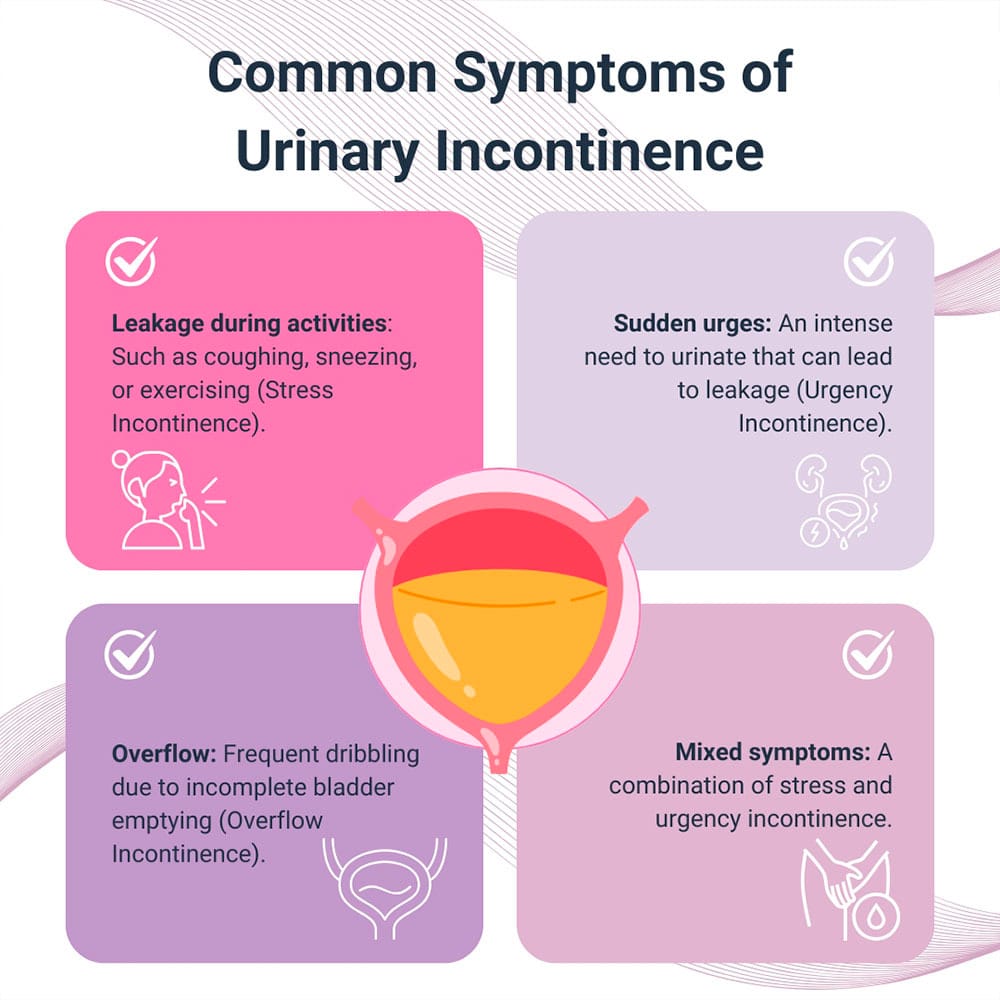
According to the North American Menopause Society, the most common kinds of bladder problems during menopause are anxiety incontinence and urge incontinence. Physical modifications prompted by menopause can cause bladder problems. Your pelvic flooring muscle mass suspend your bladder and rectum like a hammock. These muscular tissues deteriorate as we age and cause the bladder to prolapse, or come down into the Get more information vaginal canal. Pessaries are helpful to lower symptoms of anxiety urinary incontinence by holding the bladder in position and reducing pee leak. Menopause is an all-natural stage in your life that signifies completion of your fertility.
Here, we'll discuss even more details on how hormone discrepancies that occur throughout life can lead to lower urinary system tract signs and symptoms, such as incontinence. For many women, indeed-- urinary incontinence tends to remain or slowly intensify after menopause rather than vanishing by itself. While the hormone ups and downs of perimenopause may resolve postmenopause, aging remains to effect pelvic muscles, nerves, and bladder control. Actually, research study shows that both the frequency and seriousness of leakage often boost in later postmenopausal years. To aid determine your pelvic floor muscles, attempt quiting the flow of urine the next time you pee.
For lots of females, basic everyday habit adjustments can help reduce bladder leakage and improve bladder control. Lifestyle modifications are frequently one of the first treatment comes close to advised for light to modest urinary incontinence. As estrogen levels decline with age or menopause, the cells around the bladder and urethra might come to be thin, completely dry, or much less versatile, minimizing the urethra's capability to remain completely shut.
- You can have a weak urinary system stream, feel like urinating during the night (nocturia), and enhanced urinary system hesitancy.
- If you're going through or have actually experienced menopause, you may see big adjustments in your genital and urinary system function.
- A thorough search was carried out on PubMed, SCOPUS, Scientific Research Direct, Cochrane Library, and Internet of Scientific research to situate relevant material.
- Furthermore, age-related modifications in testosterone and dihydrotestosterone (DHT) straight contribute to Benign Prostatic Hyperplasia (BPH), commonly referred to as an enlarged prostate.
- Learn about perimenopause and how to stop and treat bladder leaks during perimenopause in this short article.